
7 Feng Shui Bedroom Layout Rules: Best Bed Placement for Better Sleep & Positive Energy
You wake up tired. You toss and turn all night. You walk into your bedroom and something just feels… off — but you can’t explain why. The problem might not be your mattress. It might be your room’s energy.
A thoughtful feng shui bedroom layout with bed placement rules can change how your space feels, how deeply you sleep, and how you start each morning. Following the right feng shui bedroom layout with bed placement rules is simpler than most people think — small, intentional shifts in arrangement can create a dramatic difference in comfort, calm, and positive energy flow.

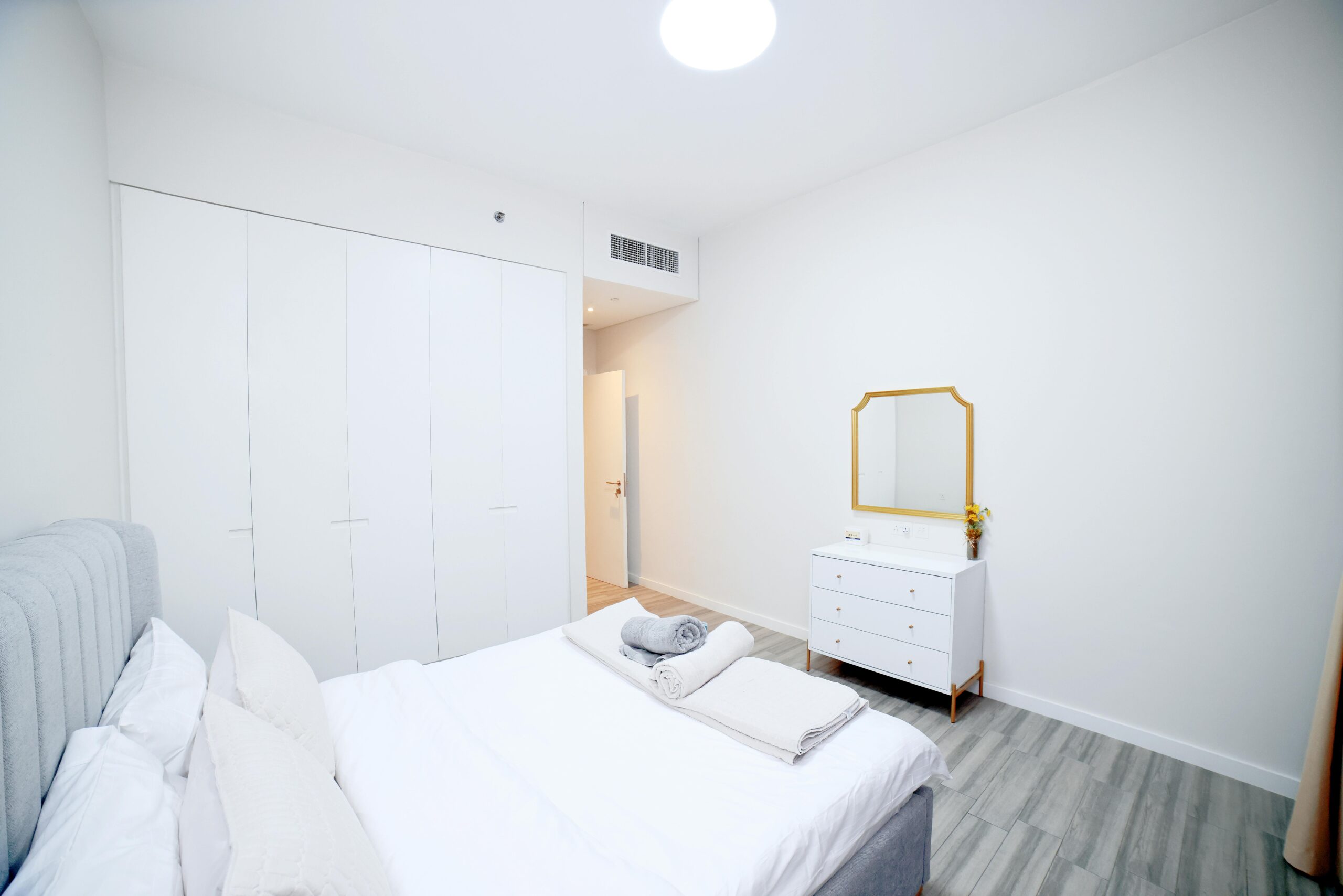
The commanding position — the foundation of every feng shui bedroom layout
What Is Feng Shui in Bedroom Design?
Understanding the basics helps you make smarter decisions about your bedroom layout — no experience required. The core idea behind feng shui bedroom design is simple: the way you arrange a room shapes the energy you experience in it every day.
Feng shui (pronounced “fung shway”) is an ancient Chinese philosophy centered on arranging your environment to encourage the healthy flow of energy — called chi or qi. Rooted in over 3,000 years of tradition, feng shui has evolved into one of the most widely applied principles in modern interior design.
The bedroom is one of the most important rooms in any home — it’s where you rest, recover, and recharge. Poor bedroom energy flow doesn’t just affect your sleep. It can subtly influence your mood, relationships, and overall sense of wellbeing. This philosophy extends beyond the bedroom too — biophilic design principles work hand in hand with feng shui to bring nature’s calming energy into every room.
Good feng shui bedroom design doesn’t require a complete overhaul. It’s about working with what you have — furniture position, natural light, clutter, and color — to create an environment where energy moves freely and peacefully.
Feng Shui Bedroom Layout with Bed Placement Rules
The bed is the heart of any feng shui bedroom. Where you place it — and how it relates to the door, windows, and walls — shapes the energy of the entire room. Below are the 7 core feng shui bedroom layout rules every beginner should know, starting with the most important: bed placement.
Rule 1 — Best Bed Placement for Positive Energy
Every effective feng shui bedroom layout with bed placement rules starts with one concept — the commanding position. Your bed should be placed so that when you’re lying down, you can see the bedroom door but are not directly in line with it. Ideally, your bed sits diagonally across from the door. As feng shui expert Suzanne Roynon explains via Naturepedic, this position offers a sense of control and safety that helps the nervous system relax — which is precisely why it improves sleep quality.
Here’s what ideal feng shui bed placement looks like in practice:
- Solid wall behind the headboard — Gives a sense of support and security while you sleep. Think of it as your back being protected.
- Clear sightline to the door — You can see who enters without craning your neck. This keeps your nervous system calm.
- Space on both sides of the bed — Even 18–24 inches of clearance on each side allows energy to flow freely and creates balance, especially important for couples.
- Not pushed against a wall on one side — Trapping the bed against a side wall blocks energy and can create imbalance in relationships.
- Away from direct window alignment — Avoid placing the head of your bed directly under a window, as this disrupts restful energy during sleep.
In smaller bedrooms, achieving all of these at once isn’t always possible. Prioritize the commanding position first — solid wall behind the headboard with a view of the door — and work from there.
Rule 2 — Where You Should NOT Place Your Bed
Knowing what to avoid in your bedroom layout is just as valuable as knowing the ideal setup. These positions are considered highly disruptive to bedroom energy flow in feng shui practice.
- Directly in line with the door — Known as the “coffin position.” Energy rushes straight at the sleeper, creating an unconscious sense of vulnerability that disrupts deep rest.
- Under a ceiling beam — A beam running across the bed presses energy downward, contributing to tension, headaches, or a heavy feeling in the chest.
- Against a shared wall with a bathroom — Water drains energy, and having that on the other side of your headboard weakens the restful quality of the space.
- Facing a mirror directly — A mirror at the foot of the bed reflects energy back at you as you sleep, disturbing rest and amplifying stress.
- Under a window without a headboard — Without the support of a solid wall or strong headboard, the sleeper loses a sense of stability and protection.
Rule 3 — How Bedroom Layout Affects Your Sleep and Energy
Your feng shui bedroom layout does more than set a mood — it shapes how your body and mind experience rest. When furniture placement creates visual chaos or blocks natural pathways, it signals low-level stress to your nervous system even while you sleep. According to the Sleep Foundation, your bedroom environment is a key pillar of sleep hygiene — the physical arrangement of a space directly affects how easily the mind transitions into rest. The same logic applies to color: a white walls with black trim palette creates the clean visual contrast that supports mental clarity and calm in a bedroom setting.
Common Feng Shui Bedroom Mistakes

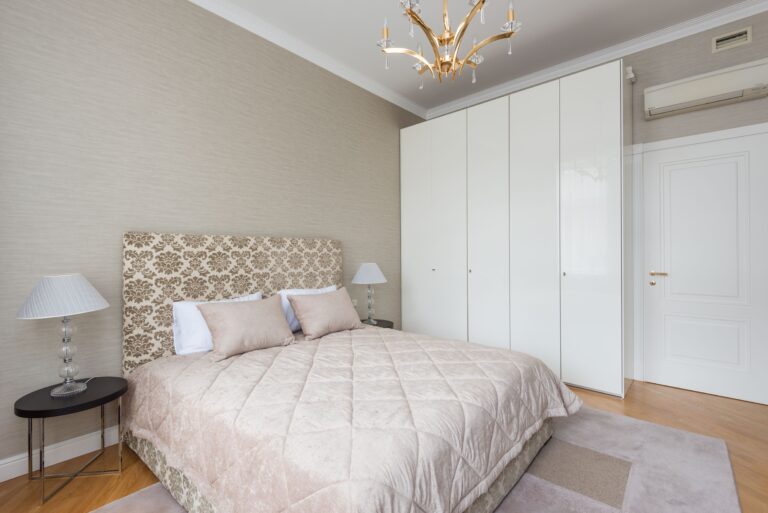
Left: common layout errors. Right: the correct feng shui bedroom layout applied.
Even when the core bed placement feng shui rules are in place, other elements can quietly work against you. Here are the most frequent mistakes people make with their bedroom layout — and how to fix them.
Clutter under the bed. Clutter beneath you — boxes, old clothes, luggage — creates stagnant, heavy energy that disturbs sleep at a subconscious level. Keep only soft, neutral items like linens there. For everything else, explore smart storage solutions that keep your bedroom clear without sacrificing function.
Too much technology. Televisions, laptops, and phones bring active, stimulating energy into a space meant for rest. Keep screens out of the bedroom where possible, or at minimum cover them at night.
Work items in the bedroom. A desk piled with tasks, unpaid bills, or a home gym signals to your brain that this is a productive space — not a restorative one. Bedroom energy flow suffers when the room serves too many competing purposes.
Harsh lighting with no warmth. Overhead fluorescent or cool-toned lighting disrupts the calm yin energy a bedroom needs. Warm, dimmable lighting supports relaxation and eases the transition into sleep.
Plants in the bedroom. Most feng shui practitioners advise caution with plants in bedrooms — particularly large or rapidly growing varieties — as their active energy can compete with the stillness needed for deep rest.
Broken or mismatched furniture. Damaged items, uneven nightstands, or furniture that feels wrong for the space creates disharmony. Everything in a feng shui bedroom should feel balanced, intentional, and in good condition.
Simple Tips to Improve Your Bedroom Energy Today
Whether you’re just discovering the feng shui bedroom layout with bed placement rules or refining a setup you’ve already started, these practical adjustments work with any bedroom — small or large, rented or owned.
The single fastest feng shui bedroom improvement: move your bed so the headboard is against a solid wall and you can see the door from a diagonal angle. That one shift puts you in the commanding position — the foundation of every feng shui bedroom layout with bed placement rules.
- Clear the floor. Floor space equals breathing room for energy. Remove laundry piles, shoes, bags, or boxes left near the door.
- Move your bed to the commanding position. Even a subtle diagonal move can make the space feel noticeably calmer.
- Add a solid headboard. A sturdy, upholstered headboard flush against a solid wall is one of the highest-impact bed placement feng shui changes you can make.
- Use soft, natural textiles. Linen, cotton, and wool in neutral tones — ivory, warm grey, dusty blue — support restful yin energy. Avoid heavily patterned bedding that creates visual noise.
- Balance the two sides of the bed. Matching nightstands on each side create energetic symmetry — especially supportive in a shared bedroom.
- Introduce soft scent. Lavender, sandalwood, or cedarwood in a candle or diffuser signals to the body that it’s time to unwind.
- Remove or cover mirrors facing the bed. One of the fastest feng shui bedroom fixes with an immediate energetic result.
- Let natural light in during the day. Open curtains each morning to refresh the room. Stale, dark rooms accumulate stagnant chi — natural light clears it.
- Use off-site storage for seasonal items. If your bedroom doubles as storage, moving bulky items out preserves the energy of the room. Self storage options in NYC make it easy to keep your bedroom clear and undisturbed.
Frequently Asked Questions
What is the best bed position in a feng shui bedroom?
The best position is the commanding position: your bed should be diagonally across from the bedroom door, with a solid wall behind the headboard and a clear sightline to the entrance. This is the foundation of any good feng shui bedroom layout with bed placement rules.
Can feng shui work in a small bedroom?
Yes. Even in a small room, applying basic feng shui bedroom layout principles — like placing the headboard against a solid wall and keeping the floor clear — can noticeably improve energy flow and sleep quality.
How does bed placement affect sleep quality?
In feng shui, your bed placement directly affects how chi moves through the room while you sleep. Beds in the coffin position, under beams, or against bathroom walls are believed to disrupt rest. Correcting your feng shui bed placement can reduce restlessness and create a calmer sleep environment overall.
Your Bedroom. Your Sanctuary.
Sleep is not a luxury — it’s the foundation of everything else. Applying the right feng shui bedroom layout with bed placement rules is one of the simplest, most effective ways to align your space with your need for rest and renewal. Start with one change today — and notice how different the room feels every single morning.

2 Comments
Comments are closed.