
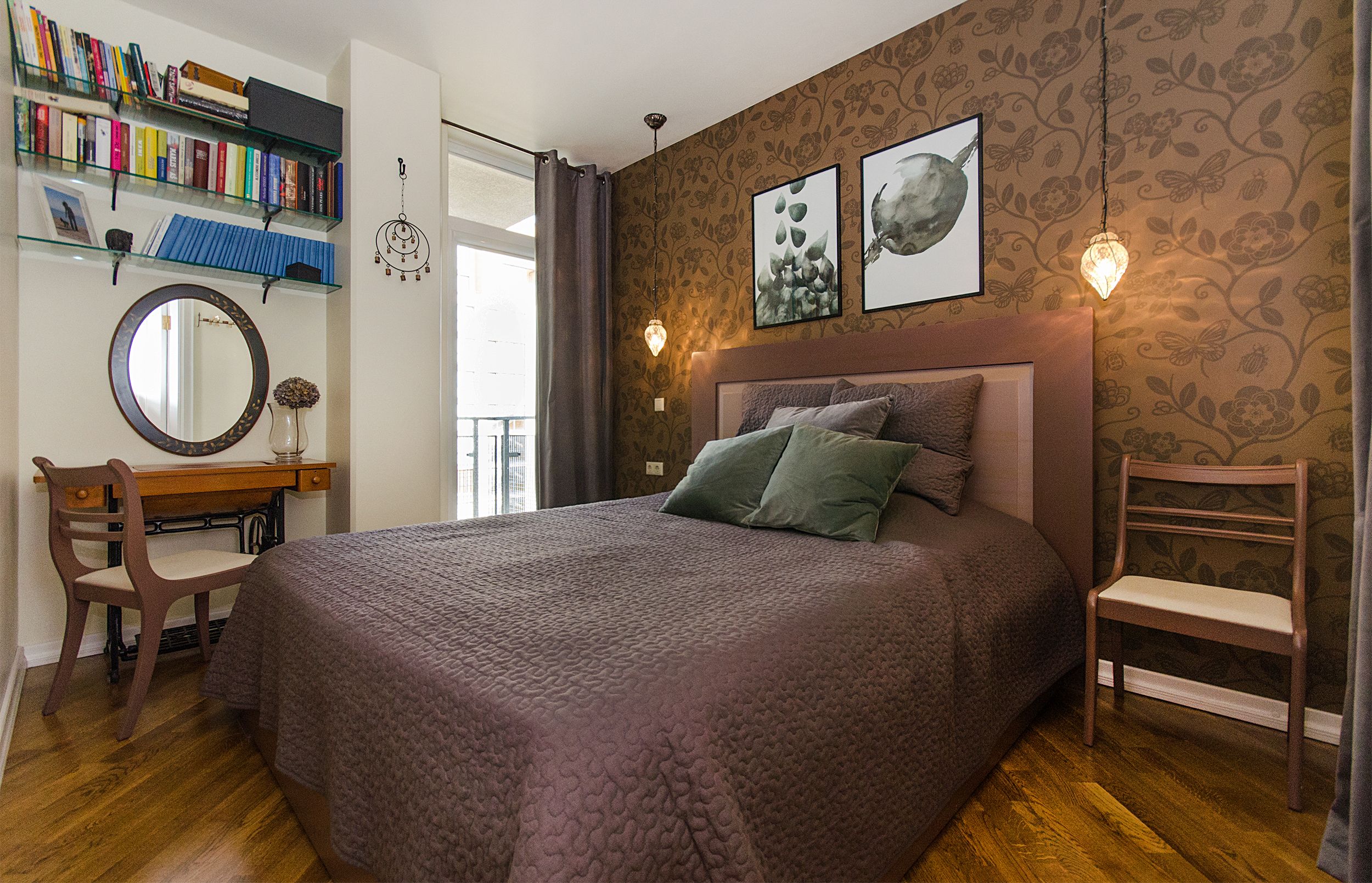
10 Space Saving Bed Ideas for Small Bedrooms & Apartments
10 Space Saving Bed Ideas for Small Bedrooms, Rentals and Spare Rooms
The right bed does more than hold a mattress. It stores, folds away or stacks, and it should still make sense when you move. Here is how to choose one, even if you can’t touch the walls.
VEPLAT Editorial · Updated October 2026
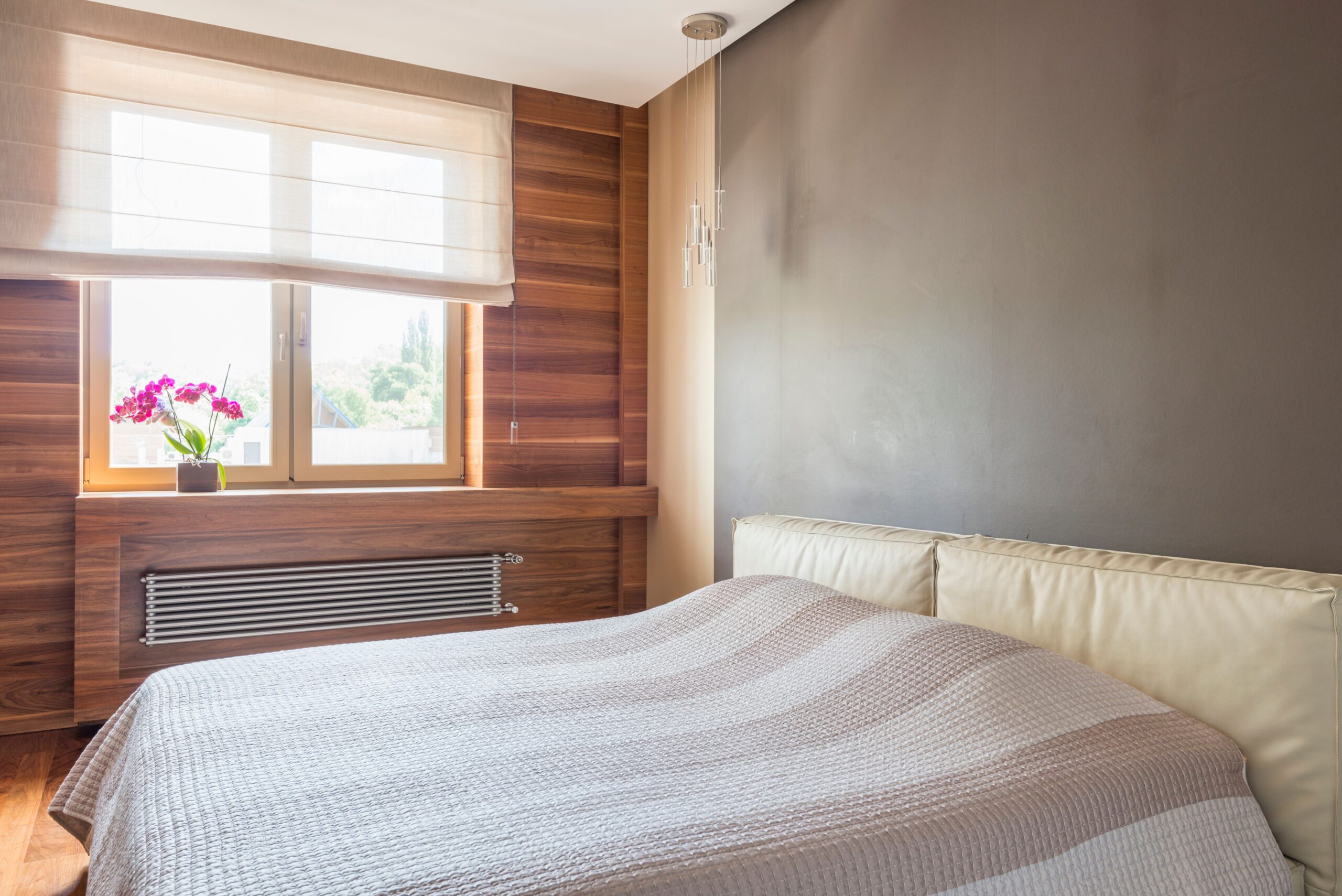
A good space saving bed gives a small room a second job. It might hold your off-season clothes, fold away when guests leave, or stack two sleepers on one footprint.
Rentals add a constraint: you probably can’t drill into the walls, and your next apartment will have a different layout. The most useful furniture here is freestanding, modular and easy to move.
This guide covers ten options, from storage platforms and Murphy beds to bunks and trundles. It then explains how to measure, where to buy, what is safe to build yourself and what belongs to engineered hardware. A few Feng Shui placement notes show how to keep a compact bedroom calm.
The short answer
For most renters, a freestanding space saving bed is a practical starting point: a storage platform bed if you need storage, or a cabinet bed or sleeper sofa if the room has another job by day. Choose a wall bed when you want a full-size mattress that disappears, but confirm anchoring rules with your landlord first. Bunks, lofts and trundles suit shared rooms, as long as the ceiling height and safety details check out.
Picture a rental bedroom of roughly ten by eleven feet. A queen bed, two nightstands and a dresser fill it quickly, and the closet door may no longer open fully. In a room like this, the bed decides the layout, which is why one that stores, folds or stacks matters more than any decorative detail.
The ten ideas at a glance
- Storage platform beds, for clutter that needs a home
- Wall beds (Murphy beds), for rooms with a double life
- Cabinet beds, for a guest bed that looks like furniture
- Sleeper sofas, for studios and living rooms
- Futon beds, for flexible, budget-friendly rooms
- Bunk beds, for shared bedrooms
- Loft beds, for building a room under your bed
- Full and queen beds with storage, for couples
- Beds with a built-in wardrobe, for narrow rooms
- Trundle beds, for occasional guests
What Makes a Bed Space Saving?
A space saving bed earns more than sleep from the square footage it takes. It adds storage, folds into a wall or cabinet, stacks a second sleeper, or doubles as seating. Nearly every design follows one of two strategies: it goes under (storage platforms, trundles) or up and away (lofts, bunks, wall beds).
The goal is not the smallest bed. It is the space saving bed that gives the room another job without costing you comfort.
10 Space Saving Bed Ideas for Small Bedrooms and Apartments
1 Storage Platform Beds: The Quiet Workhorse
The space under a standard bed is among the most wasted in a small bedroom. A storage platform bed turns it into drawers, lift-up compartments or open cubbies for bedding, seasonal clothes, shoes, luggage and towels. For more ideas on keeping a small home organized, see our guide to small-space storage solutions.
For renters this is often the smartest first move. It can replace a dresser, it needs no installation, and it leaves with you when the lease ends.
2 Wall Beds (Murphy Beds): Floor Space on Demand
A Murphy bed folds up into a wall-mounted cabinet when you are not sleeping in it. By day, the same floor becomes an office, a yoga corner or a lounge. Many modern units add shelves, a desk or lighting.
3 Cabinet Beds: Furniture That Hides a Mattress
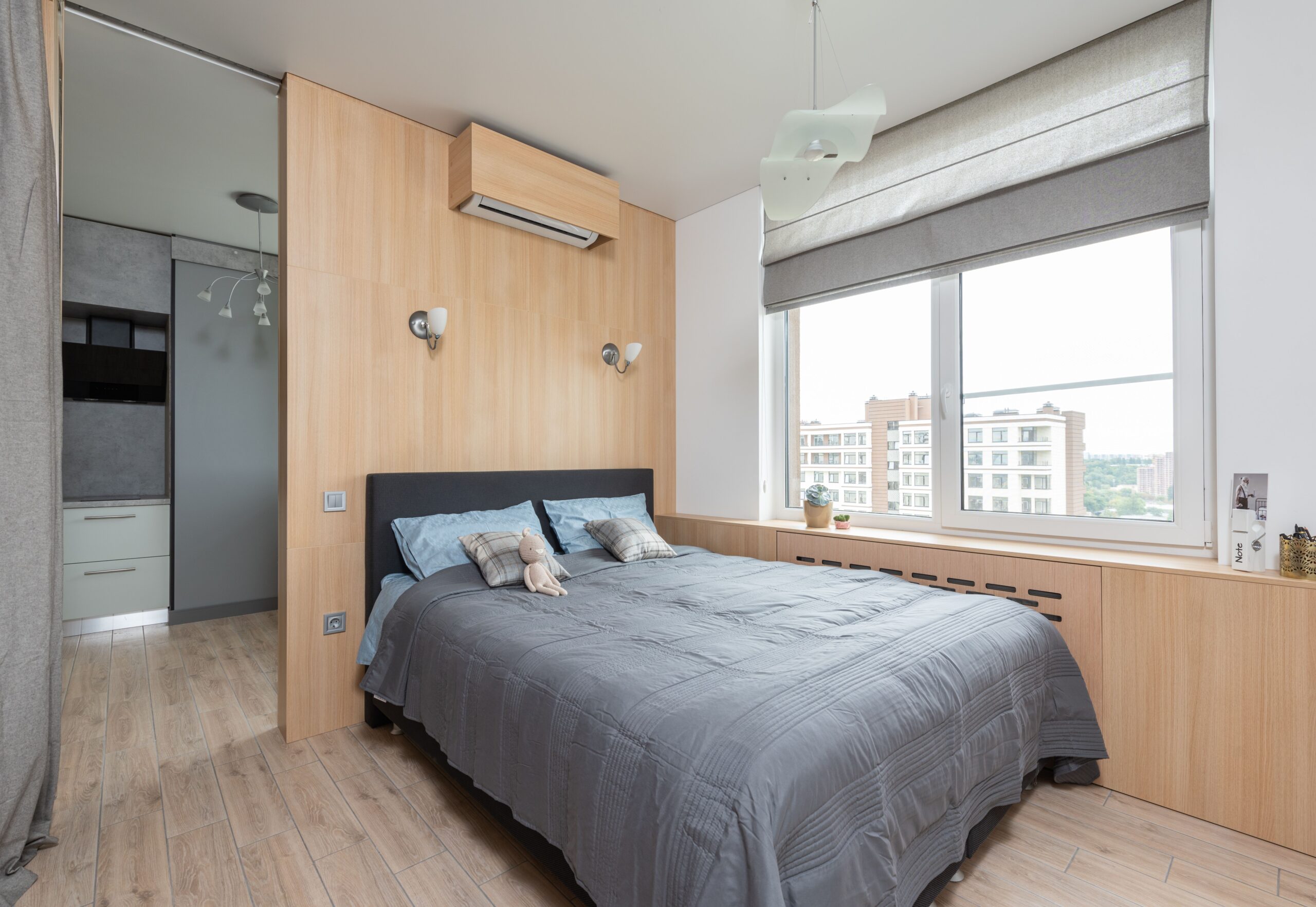
A cabinet bed looks like a compact console, chest or cabinet when closed, with a foldable mattress and often bedding storage inside. Many open in about a minute, depending on the mechanism and model.
It combines a small closed footprint with a furniture-like look, and you do not have to dedicate a whole wall to it. That makes it a calm way to turn a spare room into a real room rather than a “guest bedroom.”
4 Sleeper Sofas: A Bedroom That Disappears by Day
A sleeper sofa is the classic sofa by day, bed by night. It suits any room that needs everyday seating as well as occasional sleeping space: living rooms, studios, home offices and spare bedrooms.
The common mistake is checking the closed size and forgetting the open one. Open depth varies by model, and some pull-outs extend far beyond the sofa’s closed depth into the room. Sleeping surfaces vary too: some models hide a thin integrated mattress, while others unfold the sofa cushions into a flat bed.
Look for:
- A supportive foam mattress (thin pull-out mattresses are a common complaint)
- Minimal gaps between sections
- A sturdy mechanism and a frame that does not sag
- Removable, washable upholstery if possible
- Enough clearance to open it fully
Sleeper sofas are also heavy and bulky, which matters on moving day.
5 Futon Beds: Simple and Flexible
Futons are among the most affordable convertible options. The backrest folds down to make a sleeping surface, which is why they turn up in studios, teen rooms, small offices and temporary homes. They work best when you need daily seating, guests stay only occasionally, and you want a simple mechanism with no wall installation.
Comfort is the trade-off. A futon mattress can feel firm, and the frame may leave a noticeable fold in the sleeping surface. If you plan to sleep on one regularly, spend on the mattress and a solid frame, and test the conversion before you buy. For nightly use, a cabinet bed or sofa bed with a dedicated mattress is often more comfortable.
6 Bunk Beds: Two Sleepers, One Footprint
When two people share a room, stacking their beds is the quickest way to win floor space back. It frees room for a desk, a play area or a dresser. Variations such as twin over full, L-shaped bunks and bunks with built-in stairs add storage or make climbing easier.
For children, safety comes before style. In the U.S., bunk beds must meet federal requirements, including guardrails on the upper bunk (see the U.S. Consumer Product Safety Commission’s bunk bed guidance). The CPSC also recommends that children under six not sleep on the upper bunk. Check the ladder, the guardrails, the mattress thickness the manufacturer specifies, and any gaps where a child could become trapped.
For adults, look for a bed that is designed and rated for adult use, with a weight rating that suits the sleeper, stable steps, minimal wobble and enough headroom.
7 Loft Beds: A Room Under Your Mattress
A loft bed raises the sleeping surface and gives you a second zone underneath: a desk and shelves, a reading nook with a compact sofa, or a dressing area with a clothing rail. In a tiny studio, it can feel like gaining a room.
The limit is ceiling height, and requirements vary by model. Check the manufacturer’s minimum ceiling height, keep clear of fans and light fixtures, and make sure you can sit up comfortably at mattress height. If you cannot, choose a platform bed or a trundle instead.
8 Full and Queen Beds That Earn Their Footprint
A smaller room does not always mean a smaller bed. In standard U.S. sizes, a full bed (sometimes called a double) is about 54 by 75 inches, while a queen is about 60 by 80 inches. The full is six inches narrower and five inches shorter, which can be enough to keep a door or closet usable.
Be realistic about who sleeps in it. A full suits one adult, a guest room or a teenager’s room, but it is tight for two people every night. Couples are usually happier with a queen, so let the rest of the room work harder:
- Under-bed drawers instead of a dresser
- A headboard with built-in shelving
- Wall-mounted lamps and narrow floating shelves instead of nightstands
9 Beds With a Built-In Wardrobe or Closet
A bed and a wardrobe placed separately eat a lot of floor. Combined systems stack them along one wall, sometimes with the bed folding into a cabinet beside or beneath hanging rails and shelves. In U.S. stores you will often see these sold as bridge beds, wardrobe beds or beds with a built-in closet.
They work well in studios, micro-apartments, kids’ rooms and any bedroom without a closet. Plan carefully, though: check that the wardrobe doors still open when the bed is down, and that the unit does not block heating, ventilation or natural light. For renters, a freestanding or modular system is usually more practical than a built-in one, because you can assemble it without altering the property and take it with you.
10 Trundle Beds: The Hidden Guest Bed
A trundle slides a second mattress under the main bed, and it simply disappears when nobody is staying. Unlike a bunk, the second mattress stays near the floor, so it works in rooms with lower ceilings. Trundle mattresses are usually thinner than standard ones, which makes this a great fit for kids and sleepovers and a little less so for a week-long guest.
Space Saving Bed Types Compared
| Bed type | Best for | Ceiling and clearance | Typical cost level | Renter-friendly? |
|---|---|---|---|---|
| Storage platform | Nightly sleeping, clutter | Drawer clearance | Low to mid | Yes, no install |
| Wall (Murphy) bed | Rooms with a double life | Check the maker’s minimum | Mid to high | Check anchoring |
| Cabinet bed | Guest rooms and offices | Open-bed clearance | Mid to high | Often freestanding |
| Sleeper sofa | Studios, living rooms | Open depth varies | Mid to high | Yes |
| Futon | Casual multi-use rooms | Open depth varies | Low | Yes |
| Bunk bed | Shared rooms | Headroom on upper bunk | Low to mid | Usually; check anchoring |
| Loft bed | Very small rooms | Taller ceilings needed | Low to mid | Usually; check anchoring |
| Trundle | Occasional guests | Pull-out clearance | Low to mid | Yes |
| Bed with wardrobe | Narrow rooms, no closet | Door and bed clearance | Mid to high | Modular is easiest |
Cost levels are relative and vary by size, materials and brand. Check current listings before you decide.
How to Choose a Bed Frame for a Small Apartment
A good frame balances comfort, strength, footprint and installation. Each material has its own personality.
- Wood: warm, easy to coordinate and a natural partner for storage. Look for strong corner joints and properly supported slats.
- Metal: usually lighter and slimmer, which suits modern or minimalist rooms. Look for a reinforced center support, quiet joints, non-slip feet and rounded edges.
- Platform: supports the mattress without a box spring and sits lower, which can make a room feel more open. Confirm the mattress type and slat spacing, because a mattress warranty may require a specific support setup.
- Folding: handy for occasional guests, but rarely a good permanent solution. Look for locking wheels, a stable center support and a mattress that will not slide.
The frame test: the best frame retires another piece of furniture. Drawers can replace a dresser, a loft with a desk can replace a workspace, and a Murphy bed can replace a dedicated guest room.
Measure Before You Buy a Space Saving Bed for a Small Room
Measure the room, not just the mattress. Write down these numbers first:
- Room length, width and ceiling height
- Door swing, window position and closet doors
- Radiators, outlets, ceiling fans and light fixtures
- Furniture you plan to keep
Then measure the bed in every position it will take: a sofa bed closed and open, a Murphy bed folded and lowered, a storage bed with every drawer fully out. Mark the open footprint on the floor with painter’s tape and live with it for a day. If you keep stubbing your toe, the bed is too big.
Leave room to move, too. Around 24 inches of walking space is a useful design guideline where the room allows, but the exact clearance depends on the room, furniture and accessibility needs.
Renter trick: measure your front door, hallway turns and stairwell or elevator as well. A bed that fits the bedroom but not the stairwell is an expensive return.
Wall Beds and Murphy Bed Units for Apartments
A wall bed is the most dramatic kind of space saving bed, and the option renters ask about most. These are the details that matter.
Vertical or horizontal?
Vertical (portrait) beds fold up along the wall and suit rooms with a taller ceiling, clear wall width and a layout where the bed can open toward the center. Many queen vertical models are tall enough that ceiling height becomes a limiting factor; dimensions vary by design, so use the product’s installation specifications rather than the mattress size.
Horizontal (landscape) beds fold up sideways. They tend to suit lower or sloped ceilings, or a window above the wall, and they usually project farther across the wall.
Do Murphy beds need to be drilled into the wall?
Often, yes. Many wall-mounted models must be anchored into wall studs, and sometimes to the floor, for safe operation. Check your lease and get your landlord’s approval in writing before you order. Freestanding cabinet beds and certain floor-supported systems reduce or avoid wall mounting, which can make them a more practical choice in a rental. Be wary of a product that looks renter-friendly but still requires structural attachment.
Measure for the full swing
- Cabinet width and closed depth
- How far the bed projects when open
- Ceiling height and clearance from fans and lighting
- Access through doorways, stairs and elevators
Check the mattress rules
Some systems only work with a specific mattress thickness and weight range, because the lifting mechanism is balanced for it. An unsuitable mattress can affect balance and safe movement, so confirm both numbers before you order.
What do they cost?
Wall beds generally cost more than storage platforms, futons or many sleeper sofas, and the range is wide. Size, cabinetry, finish and mechanism all change the price, so compare current listings rather than relying on a single figure.
Who Sells Space Saving Sofa Beds Online?
Sleeper sofas and sofa beds are widely available online. The best seller depends on your budget, style and how much you want to test before buying.
- Large furniture retailers: broad choice and frequent sales, with return policies that vary by item.
- Online marketplaces: a huge range and convenient delivery, but quality and detail vary, so read the specifications closely.
- Direct-to-consumer furniture brands: often well designed, with a clearer view of dimensions and materials.
- Specialist small-space and transformable furniture makers: the most compact solutions, usually at a higher cost.
- Local showrooms: the best way to test the mattress and mechanism in person.
Whichever you choose, compare more than price. Catalogs, return policies and delivery terms change often, so confirm the current details on the seller’s page. Check:
- The exact closed and open dimensions
- Mattress thickness and material
- Delivery packaging and doorway requirements, including options for walk-ups
- Return policy and any restocking fee
- Warranty coverage and replacement parts
- Customer reviews that mention long-term comfort
Do not rely on lifestyle photos alone. A sofa can look compact in a styled image and still need a great deal of clearance once it is fully opened.
Murphy Bed vs. Sofa Bed vs. Futon
| Feature | Murphy or cabinet bed | Sofa bed | Futon |
|---|---|---|---|
| Best use | Daily sleeping or guest rooms | Seating plus occasional sleeping | Budget-friendly flexible rooms |
| Installation | Wall models may need anchoring; cabinet models are often freestanding | Usually basic assembly | Usually basic assembly |
| Comfort | Often closest to a traditional bed | Varies by mattress and mechanism | Often firmer and thinner |
| When closed | Cabinet or wall unit | Everyday sofa | Everyday sofa |
| Storage | Cabinet models may store bedding | Usually limited | Usually limited |
| Renter suitability | Best with a freestanding cabinet model | High | High |
| Main limitation | Needs open floor clearance | Can be heavy and bulky | Less comfortable for nightly use |
Space Saving Beds for Adults and Kids
Space saving beds for adults: comfort comes first
If you sleep on it every night, the mattress and support system should be the priority. Focus on:
- Mattress quality and support
- A stable, quiet frame
- Enough width for how you sleep
- Easy access, with no climbing at 3 a.m.
- Walking clearance around the bed
In practice, storage platform beds are a strong everyday choice, wall beds are excellent when the floor must clear daily, and sleeper sofas are best for occasional use unless the mattress is genuinely good.
Space saving beds for kids: build up and stay safe
Children’s rooms often need to fit sleeping, studying, playing and storage at once, which is where vertical furniture shines: bunks, lofts, trundles and storage beds. Do not trade safety for floor space, though. A slightly less compact design with sturdier construction and easier access is the better buy, and bunk and loft beds should always follow the manufacturer’s age and weight guidance.
How to Build a Space Saving Bed Yourself
Not every space saving bed is a sensible DIY project. It helps to separate them by risk:
- Storage platform beds: a realistic DIY project with basic tools and careful measuring.
- Loft and bunk beds: they carry heavier loads and fall risks. Use tested plans or a manufacturer’s kit, and follow applicable safety standards, especially for children.
- Folding Murphy mechanisms: buy engineered hardware or a finished unit, and have it anchored correctly. Do not improvise a folding mechanism.
A DIY storage platform bed
A freestanding platform is ideal for renters: no wall anchors, no holes, nothing to patch when you leave. You will typically need:
- Dimensional lumber for the frame and supports
- Plywood for the platform and drawer boxes (3/4-inch is common)
- Drawer slides or heavy-duty casters
- Wood screws sized for your lumber, and wood glue
- Sandpaper and a finish
- Measure the mattress and add a small allowance so the mattress and bedding fit. Make a cut list before you buy materials, and double-check dimensions before cutting.
- Build a rigid base frame and add cross supports sized and spaced for the load. For a queen, include a center support.
- Add the platform surface with plywood or slats. Check your mattress manufacturer’s slat spacing and support requirements, since they affect warranty coverage.
- Build the storage as drawer boxes on slides, lift-up panels or low rolling crates.
- Sand and finish every edge so nothing snags your sheets. Wear eye, hearing and respiratory protection when cutting or sanding.
- Test before use. Check every joint and load-test the bare frame before the mattress goes on. Tighten anything that moves.
Material costs depend on lumber prices and your design, so price your cut list at a local supplier before you commit.
If you do build a loft or bunk: look for strong posts or properly engineered supports, bolted connections, secure guardrails, a fixed ladder, correct mattress support, anti-wobble bracing and safe clearance from ceiling fixtures. Test it thoroughly before anyone sleeps on it.
Renter-Friendly Setup Tips
You can build a flexible bedroom without a single permanent change:
- Read your lease before drilling or anchoring anything, and get landlord approval in writing.
- Choose freestanding or modular furniture that comes apart for moving.
- Pick a platform bed with removable drawers.
- Add tension-mounted curtains or a room divider for privacy.
- Use removable wall hooks for lighting and accessories.
- Choose lightweight bedside tables you can move easily.
- Protect floors with felt pads and a breathable rug.
- Keep access panels, vents and outlets unobstructed.
- Save the original packaging and hardware for your next move.
For more ideas that respect a lease, browse our renter-friendly apartment guides.
Space Saving Bed Layouts for Studios, Spare Rooms and Shared Bedrooms
Studio apartment
Place a vertical wall bed on the least interrupted wall and add a slim desk or drop-leaf table nearby. When the bed is closed, the room works as a living and working area.
Spare room
A spare room does not have to be a bedroom all year. Keep the center clear so conversion is easy, then match the space saving bed to the room’s other job:
- Home office: a Murphy bed or cabinet bed.
- Living space: a sleeper sofa for everyday seating.
- Storage: a storage bed, so you skip the extra cabinets.
- Hobby room: a fold-away bed so the craft table can stay out.
Shared children’s room
Use bunks or a loft to free space for desks and play, and keep the floor visually calm with matching bins and under-bed drawers.
Narrow bedroom
Consider a horizontal wall bed, a daybed or a storage platform, and put tall storage on one wall rather than spreading furniture across the room.
Living room guest zone
Choose a sofa bed with a genuinely supportive mattress, or a cabinet bed if sleeping comfort matters more than daily seating. Our Feng Shui small living room layout guide shows how to arrange the rest of the room around it.
Where to Put a Space Saving Bed: A Feng Shui Take
A small room can still feel restful when a space saving bed is placed with intention. These traditional Feng Shui principles work well with compact furniture, though schools of practice differ on the details:
- Find the commanding position. Place the bed so you can see the door from where you lie, without being directly in line with it.
- Back it with a solid wall. A strong headboard wall feels protective, so avoid placing the head under a window when you can.
- Keep under-bed storage soft and light. Bedding, linens and off-season clothes suit this space. Traditionally, paper piles, electronics and clutter are kept elsewhere.
- Avoid sleeping under heavy beams or a low loft. Practitioners generally prefer open space above the bed.
- Give the room one clear purpose. Wall beds and cabinet beds help here, because the room changes cleanly between bedroom and office.
For a fuller walkthrough, read our guide on how to Feng Shui your bedroom.
Make a Small Bedroom Feel Larger
- Keep the floor visible. A bed on slim legs feels lighter than a block sitting on the floor.
- Go vertical with storage. Tall shelves and wardrobes use wall height instead of floor.
- Keep the palette calm. Warm whites, soft beige and light wood quiet a small room, and renter-friendly wallpaper adds depth without risking your deposit.
- Swap bulky nightstands for floating shelves. A narrow shelf holds a lamp, a book and a glass of water.
- Keep pathways clear. If you have to turn sideways to pass, the room will feel smaller than it is.
Before You Order: A Short Checklist
Confirm these details before you order any space saving bed that folds, converts or stacks:
- Mattress size, thickness limit and weight limit
- Closed and open dimensions, plus clearance on every side
- Ceiling-height and wall-width requirements
- Weight capacity of the frame
- Installation and anchoring instructions
- Delivery dimensions and assembly requirements
- Return policy, warranty and replacement-part availability
- Whether the design suits nightly or occasional use
And steer clear of the usual slip-ups: buying the smallest bed possible if it is uncomfortable, measuring only the closed size, forgetting drawer clearance, and making permanent changes in a rental without permission.
Space Saving Bed FAQs
What is the best space saving bed for a small bedroom?
For most renters, a storage platform bed is a practical choice because it adds storage, needs no wall installation and moves with you. If you need the floor free during the day, consider a cabinet bed or a Murphy bed.
Can renters install a Murphy bed?
Sometimes. Many wall-mounted Murphy beds need to be anchored into wall studs, so check your lease and get your landlord’s written approval first. Freestanding cabinet beds and some floor-supported designs can reduce or avoid wall mounting, but always follow the manufacturer’s installation instructions.
What is the difference between a Murphy bed and a cabinet bed?
A traditional Murphy bed is usually mounted to the wall, while a cabinet bed folds into a freestanding cabinet or console. Freestanding designs are easier to move and often better suited to rentals, but check each model’s installation requirements.
Are futon beds comfortable enough to sleep on every night?
It depends on the model. A futon with a thick, supportive mattress and a sturdy frame can work for regular sleeping, while thinner budget futons are often better suited to occasional guests.
How much ceiling height do I need for a loft bed or wall bed?
It depends on the model. Loft beds and vertical wall beds generally need taller ceilings than a standard bed, and manufacturers publish minimum ceiling heights. Horizontal wall beds can suit lower or sloped ceilings. Always use the product’s listed requirements.
Are bunk beds safe for adults?
Only if the bed is designed and rated for adult use. Check the manufacturer’s weight limits for the frame and each bunk, use the mattress thickness the maker specifies, and follow the assembly instructions closely.
Can I build a space saving bed myself?
A simple storage platform bed is a realistic DIY project with basic tools and careful measuring. Loft beds, bunk beds and folding Murphy beds carry heavier loads and safety risks, so use tested plans, kits or engineered hardware rather than improvising.
Who sells space saving sofa beds online?
Sleeper sofas and sofa beds are sold by large furniture retailers, online marketplaces, direct-to-consumer furniture brands and specialist small-space furniture makers. Compare open dimensions, mattress quality, delivery requirements and return policies before you buy.
A note on accuracy: dimensions, ceiling requirements, weight limits and prices vary by manufacturer and change over time. Use this guide to choose a direction, then follow each product’s own specifications, safety instructions and your lease.

2 Comments
Comments are closed.