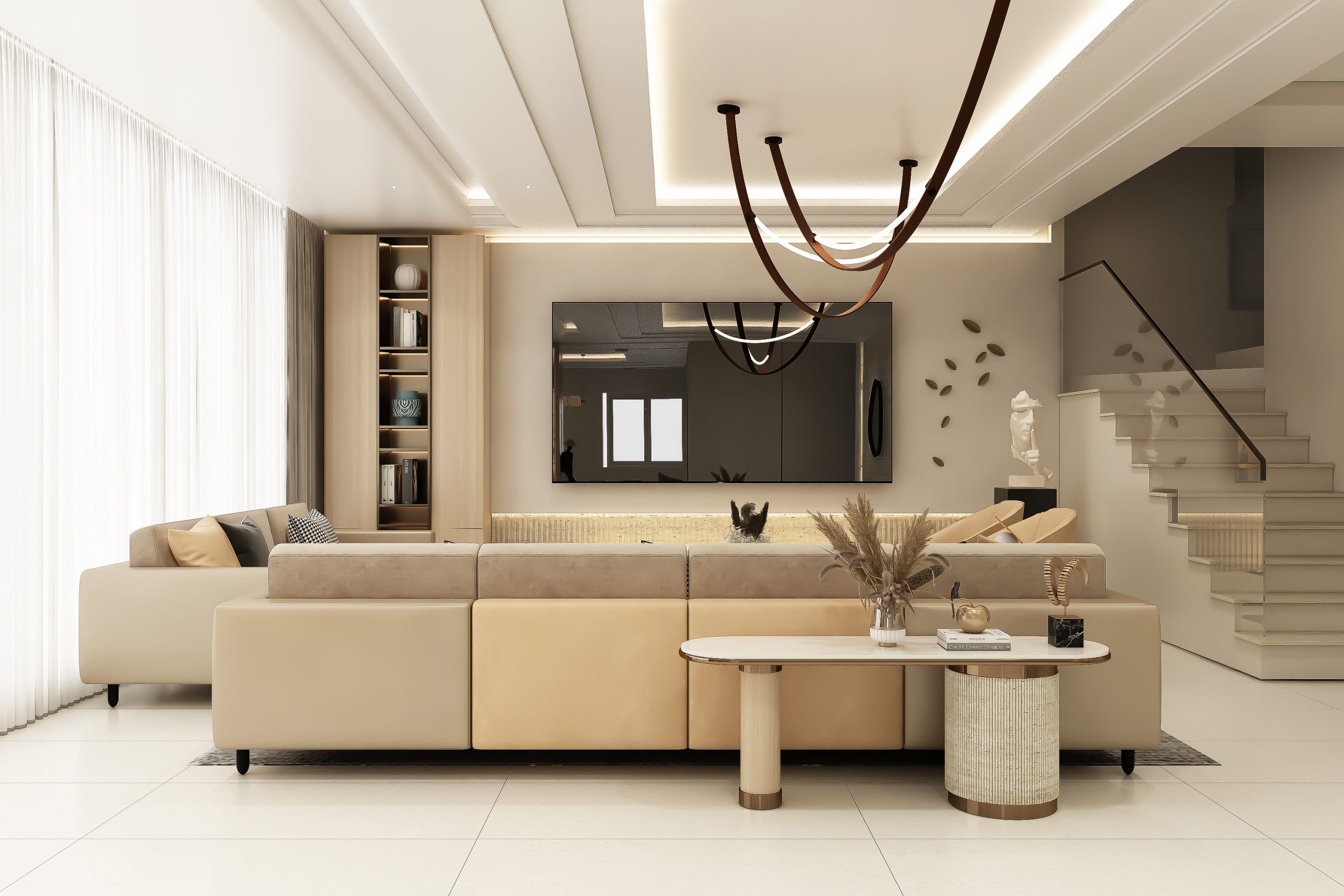
Pet Friendly Apartments for Rent: Ultimate 2026 Fees & Rules Guide
Looking for pet friendly apartments for rent should not mean choosing between your pet, your budget, and your style. This ultimate 2026 guide helps you compare apartments, uncover the true pet cost, avoid restrictive policies, and apply with a stronger renter profile.
Last updated: September 2026. Fees and policies vary by property and location, so confirm the current lease terms directly with each landlord or leasing office.
🐾 Quick Summary: Key Takeaways
- “Pet-friendly” is a spectrum, not a guarantee. Confirm breed, weight, pet-count, and documentation rules before you tour.
- Three separate charges may apply: a refundable pet deposit, a non-refundable pet fee, and recurring pet rent. Ask for an itemized schedule in writing.
- The best tour checks more than amenities. Flooring, sound transfer, green space, elevator reliability, window safety, and existing damage affect daily life and your deposit.
- Private landlords respond to preparation. A concise pet resume, references, vaccination records, and proof of insurance can turn uncertainty into a conversation.
- Pet-proofing can still look refined. Choose durable textiles, reversible wall treatments, purposeful storage, and layered protection rather than disposable-looking covers.
Whether you are searching for pet friendly apartments for rent near me or comparing apartments for rent pet friendly across several neighborhoods, the goal is the same: a home that respects your pet, your budget, and your aesthetic. Use this guide to move from a vague online filter to a documented, confident rental decision.
What Does “Pet-Friendly” Really Mean?
The phrase “pet-friendly” is used loosely in rental listings, and that looseness can cost renters money and time. When evaluating pet friendly apartments for rent, remember that a listing may technically allow pets while excluding your dog because of breed, weight, age, or the number of animals you have. Before you fall in love with a floor plan, treat the label as an invitation to verify the policy—not as a promise that every pet will be accepted.
Read the Written Policy, Not Just the Listing
Ask for the property’s current pet addendum or written policy. It should explain the permitted species, maximum number of pets, weight limits, restricted breeds, vaccination requirements, lease approval process, and every related charge. This is essential when comparing pet friendly apartments for rent, because an online listing can be outdated, especially after a property changes management or insurance providers.
Also confirm whether the policy applies to all units or only selected buildings. Some communities limit pets on upper floors, in furnished units, or in specific condominium-style buildings. If the answer is verbal, request an email confirmation and keep it with your application records.
Hidden Fees Are Common
Many properties that allow pets charge in more than one way. You may see a one-time fee, a refundable deposit, and a recurring monthly charge stacked together. None of these amounts are standardized, so the same “pet-friendly” label can mean a $150 one-time fee at one property and $50 per month indefinitely at another. When comparing pet friendly apartments for rent, always compare the total cost rather than the advertised base rent.
When you call, ask for the complete first-year cost rather than only the monthly rent. A useful question is: “What would I pay at move-in, and what would be added to my rent every month for my specific pet?” This phrasing encourages the leasing agent to include charges that may be listed separately.
Weight, Breed, and Pet-Count Restrictions
Management companies may cap pet weight at 25, 35, or 50 pounds and may maintain restricted-breed lists connected to their liability insurance. Rules vary by property, insurer, and jurisdiction. If you own a large dog or a breed that commonly appears on restriction lists, call before scheduling a tour and ask whether the property evaluates mixed breeds individually.
Do not forget less obvious limits. Some leases allow one dog or two cats but prohibit a dog-and-cat combination. Others restrict puppies, kittens, exotic pets, or animals above a certain age. An honest, early disclosure is safer than bringing an unapproved pet into a lease and hoping the policy is never enforced.
Pet Rent vs. Pet Deposit vs. Pet Fee
These terms are often used interchangeably in casual conversation, but they behave differently on your lease and your bank statement:
- Pet deposit: A refundable amount held against potential pet-related damage. If your unit is returned in the required condition, it may be returned under the terms of your lease and local law.
- Pet fee: A one-time, non-refundable charge for permission to keep a pet. It is generally due even if your pet causes no damage.
- Pet rent: A recurring monthly charge added to base rent for the length of the tenancy. It is not refunded. A seemingly small $35 monthly charge adds $420 to a year of housing costs.
What to Look For When Touring Pet-Friendly Apartments
A tour is your best opportunity to evaluate a unit through your pet’s eyes, not only your own. The most useful inspection is practical: imagine an ordinary morning, a rainy evening, a delivery at the door, a vet visit, and the day you eventually move out. These seven checks reveal more than a polished amenity list and help you decide whether the pet friendly apartments for rent you are considering will work in everyday life.
1. Flooring Type and Condition
Hard-surface flooring such as luxury vinyl plank, sealed hardwood, or tile usually handles claws, accidents, and shedding more easily than carpet. When touring pet friendly apartments for rent, inspect seams, transitions, and the area around exterior doors. A floor can look attractive but still allow moisture to collect underneath poorly sealed edges.
If the unit has carpet, ask when it was installed and whether it was professionally treated after the previous tenant. Photograph stains, pulled loops, warped boards, and damaged baseboards on your move-in day. The goal is not to avoid every mark; it is to establish what was already there.
2. Noise Insulation Between Units
Barking dogs and thin walls create stress for both you and your neighbors. During the tour of pet friendly apartments for rent, listen near shared walls, bedrooms, and the front door. Ask whether the property has received noise complaints in the building and whether quiet hours apply to pets as well as people.
Consider the layout. A bedroom sharing a wall with a busy corridor or elevator lobby may expose a reactive pet to more triggers than a unit facing an interior courtyard. If possible, visit once during the evening, when residents and pets are more active.
3. Proximity to Green Space
A home five minutes from a usable park or maintained walking route changes your routine compared with one where the nearest patch of grass requires a drive. Check the actual walking path, not just the map distance. Look for lighting, sidewalks, waste bins, shade, and safe crossings.
For cats, the equivalent may be a quiet window, enclosed patio, or low-traffic interior view. Pet-friendly design begins with the animal’s daily needs, not with the building’s marketing language. For animal-care guidance that can help you evaluate a pet’s needs before moving, consult Animal Humane New Mexico research and confirm any health or behavior questions with your veterinarian.
4. On-Site Pet Amenities
Dog parks, pet washing stations, relief areas, and waste stations can make a building more convenient. They are not automatically evidence of good management, however. Inspect whether the area is clean, fenced, well-lit, and maintained. Ask how often waste stations are serviced and whether residents must reserve the wash station.
Look for the less glamorous details: a convenient place to dispose of waste, a hose or wash area near the entrance, and a route that avoids forcing a wet dog through a carpeted lobby.
5. Elevator Access and Floor Level
If you have an older pet, a large breed, or a cat that dislikes stairs, reliable elevator access matters. Ask what happens during elevator maintenance and whether the building has more than one elevator. A ground-floor unit may be convenient, but it can also receive more hallway traffic, so balance access against noise and security.
6. Balcony and Window Safety
For cat owners especially, check balcony railing spacing, window screens, latches, and any gaps beneath doors. Never assume a screen is designed to contain an animal. Ask whether the lease permits removable safety solutions such as tension-mounted barriers or professionally installed pet screens.
7. Existing Damage and Move-In Documentation
Walk through with your phone camera and photograph every scuff, stain, scratch, chipped tile, and loose door seal. Focus on baseboards, door frames, corners, flooring transitions, and areas near balconies or patios. Upload the images to a dated folder and submit the condition report by the deadline in your lease.
This documentation protects more than your deposit. It creates a clear record of maintenance issues, including damaged screens or flooring that could affect your pet’s safety. A detailed move-in report is one of the most effective tools in a renter’s toolkit.
How to Pitch Your Pet to Private Landlords and Property Managers
Independent landlords may have more flexibility than large management companies, but that flexibility runs both ways. A private landlord can approve a pet that a corporate policy would automatically reject, and they can also decline without much explanation. If you are searching for houses for rent private landlords pet friendly or comparing pet friendly apartments for rent, treat the application like a concise risk-reduction proposal rather than a formality.
Build a One-Page Pet Resume
A pet resume front-loads the information a landlord is likely to request when you apply for pet friendly apartments for rent. Include a clear photograph, name, species, age, breed or mix, weight, spay or neuter status, vaccination status, and a short temperament description. Explain the pet’s routine, including how long it is typically alone during the day.
Add completed obedience training, current veterinary contact information, and a brief statement about prior housing. Do not claim that a pet is “perfect.” Specific, credible details are more persuasive than exaggerated assurances.
Provide a Previous-Landlord Reference
A previous landlord who can confirm that your pet caused no documented damage or noise complaints is often more persuasive than a friend’s character reference. Ask permission before listing the landlord and provide their preferred contact method. If they are willing, attach a short written reference directly to the application.
Show Proof of Renter’s Insurance
Many landlords are concerned about liability as much as property damage. Renter’s insurance with appropriate personal liability coverage signals that you have planned for unexpected events. Coverage varies by policy and location, so verify the terms with your insurer and do not describe coverage as protection the policy does not actually provide.
Offer a Clear, Lawful Agreement
If a landlord is hesitant, ask whether a written pet addendum, documented cleaning expectation, or mutually agreed deposit structure would address the concern. Keep every term in the lease or addendum. Do not offer cash outside the lease, and do not assume a verbal promise overrides a written no-pet clause.
City-Specific Search Tips for Competitive Rental Markets
Pet policies, availability, and negotiation norms vary by market. If your search includes pet friendly apartments for rent in Dallas TX, pet friendly apartments for rent in Cincinnati OH, or pet friendly apartments for rent in Philadelphia PA, use the broad search term to discover listings, then narrow your decision by neighborhood, building type, commute, outdoor access, and the written pet policy. The strongest pet friendly apartments for rent shortlist balances location, total cost, and written approval terms.
In competitive markets, speed helps, but speed without verification creates expensive mistakes. Prepare your documents before contacting properties: proof of income, identification, rental history, pet resume, vaccination records, and a recent renter’s insurance quote. Then ask the same fee and restriction questions for every listing so you can compare like with like. This process makes it easier to separate genuinely suitable pet friendly apartments for rent from listings that only use the phrase as a broad marketing label.
For additional market research, you can compare the Zillow Orlando pet-friendly rental results and review broader rental-market visibility through Apartments.com research. These are research references rather than a substitute for confirming the live pet policy, availability, and fees with the property.
Dallas, TX
For renters comparing pet friendly apartments for rent, newer mid-rise and high-rise communities often advertise dog parks, pet spas, and relief areas, but weight and breed restrictions remain common in professionally managed buildings. Ask about summer walking conditions, shaded routes, elevator reliability, and the location of the nearest green space. Compare the full monthly cost rather than focusing on base rent alone.
Search move: Expand beyond amenity-heavy new construction and compare older garden-style communities, duplexes, and private-landlord listings where pet terms may be more negotiable.
Cincinnati, OH
A larger share of the rental stock consists of smaller multifamily buildings and independently owned homes. That can create more room for a direct conversation, especially outside the downtown core. Inspect stairs, retaining walls, sidewalks, and winter access if your pet needs frequent outdoor trips.
Search move: Ask private landlords whether they will review a pet resume instead of relying on a blanket restriction. Confirm who handles snow, yard care, fencing, and pest control before signing.
Philadelphia, PA
Rowhome rentals can offer small private yards or patios, which is valuable for dog owners, but outdoor spaces vary widely in fencing, drainage, lighting, and maintenance. Confirm whether the yard is exclusive, shared, or subject to a separate access agreement.
Search move: Measure stairwells and entry doors before committing to a large crate or furniture. Ask about older flooring, basement access, window security, and how repairs are reported.
Renter-Friendly and Stylish Pet Hacks
Protecting a rental from pet wear does not require plastic furniture covers or a home that looks like a pet supply aisle. These choices are especially useful in pet friendly apartments for rent, where a quiet-luxury approach to pet-proofing relies on durable materials, intentional placement, and reversible improvements that make daily care easier without damaging the property. For more renter-focused decorating inspiration, explore Veplat’s guides to renter-friendly interiors and cute removable wallpaper ideas.
Protect Floors Without Sacrificing Style
Layer a large, low-pile natural-fiber rug or tightly woven wool blend over hard flooring in high-traffic zones. It softens sound, helps catch moisture, and reads as a design layer rather than a temporary shield. Use a rug pad approved for the floor type, and lift the rug periodically so spills do not remain trapped underneath.
Avoid deep shag textures in pet-heavy rooms because they trap fur and are difficult to clean thoroughly. Near an entryway, choose a washable runner with a restrained pattern that disguises ordinary tracking while keeping the room visually composed.
Choose Furniture Fabrics That Hold Up
Tightly woven microfiber, performance fabrics, indoor-outdoor weaves, and well-finished leather are generally easier to maintain than loose weaves. Before buying, request a fabric sample and test it with a lint roller or a damp cloth. Check the manufacturer’s cleaning code rather than assuming every performance label means the same thing.
Loose linen weaves and delicate velvet can snag more easily in homes with active pets. If you love the look, reserve them for curtains, cushions, or areas outside your pet’s main route.
Use Reversible Wall Treatments Carefully
For cats that scratch near baseboards or corners, place a freestanding scratcher or sisal panel at the problem spot before trying a wall treatment. If you use removable wallpaper or a peel-and-stick backsplash, test a small hidden section first and follow the manufacturer’s removal instructions. Adhesive products can still lift paint, especially on newly painted or poorly sealed walls.
Make Feeding Stations Look Like Furniture
A low wooden feeding stand that coordinates with your existing pieces keeps bowls stable, reduces spills, and gives the pet area a deliberate visual boundary. Place it on a washable mat and keep it away from a main circulation path. For cats, a concealed litter cabinet can work well only when ventilation, access, and cleaning remain practical. If you want to soften a plain rental wall around the feeding or entry zone, see these cute wallpaper ideas and confirm that any adhesive product is removable before installation.
Organize Leashes and Gear Without Drilling
Damage-free adhesive hooks near the entryway can hold leashes, harnesses, and waste bags without a nail hole. Check the weight rating, clean the surface properly, and remove the hook according to the manufacturer’s instructions. A shallow tray for keys and a lidded basket for toys can keep the area curated while making the daily routine faster.
Plan a Deposit-Safe Cleaning Routine
Small, regular actions are more effective than an end-of-lease scramble. Vacuum upholstery and entry rugs on a schedule, trim nails as recommended by your veterinarian or groomer, clean spills immediately, and inspect corners where hair collects. Keep receipts for professional cleaning or repairs when the lease requires them.
Pet Deposit vs. Pet Fee vs. Pet Rent: Compare the True Cost
The cheapest-looking listing is not always the least expensive home. Compare the amount due at move-in, the recurring monthly total, the possible refundable amount, and any lease-end cleaning requirement. This is especially important when comparing pet friendly apartments for rent with different fee structures. A simple first-year calculation is: pet fee + pet deposit + (monthly pet rent × 12). Add required insurance, licensing, parking, and grooming or transportation costs separately.
| Charge Type | Refundable? | Typical Amount | When It Is Charged | Negotiable? |
|---|---|---|---|---|
| Pet deposit | Often yes, subject to lease terms and documented damage | $200–$500 flat | At move-in, once | Sometimes, especially with private landlords |
| Pet fee | No | $150–$500 flat | At move-in, once | Rarely at large properties; more flexible with individual owners |
| Pet rent | No | $20–$50 per month | Every month for the lease term | Occasionally waived for a longer commitment or multiple concessions |
Frequently Asked Questions
What is the difference between pet friendly apartments for rent and no-pet buildings that make exceptions?
A genuinely pet-friendly building has written pet policies, disclosed fees, and a defined approval process. A building with a “no pets” policy that occasionally makes exceptions is a riskier choice because the exception may not be documented or may be reconsidered at renewal. Ask for the approval in the lease or a signed addendum.
How much is a typical apartment pet deposit fee?
Many pet deposits fall between $200 and $500, but the amount varies by market, pet, unit, and property. Some rentals charge a refundable deposit, a separate non-refundable pet fee, or both. Request the exact amount and refund conditions in writing before applying.
Can a landlord reject my pet based on breed alone?
In many areas, landlords and property managers may maintain breed or weight restrictions connected to their insurance or written property policy. Rules vary, and assistance animals are treated differently under fair housing requirements. If you have questions about a disability-related accommodation, consult a qualified fair-housing or legal resource for your location.
Are pet friendly apts for rent more expensive overall?
Not necessarily in base rent, but pet rent, a pet fee, a pet deposit, insurance, and required cleaning can raise your first-year housing cost. Before choosing pet friendly apartments for rent, compare the total move-in amount and annual recurring cost rather than filtering by monthly base rent alone.
What should I include in a pet resume for a private landlord?
Include a clear photo, age, species, breed or mix, weight, spay or neuter status, vaccination records, temperament summary, daily routine, completed training, and a previous-landlord reference that addresses the pet’s behavior and any documented damage.
How do I search for pet friendly apartments for rent near me effectively?
Use a rental platform’s pet filter to build a shortlist of pet friendly apartments for rent, then call each property to confirm its current policy. Search the exact neighborhood plus terms such as “pet-friendly,” “private landlord,” and “house for rent.” Cross-reference independent listings, prepare your documents in advance, and do not pay an application fee until you understand the basic pet restrictions and charges.
What should I do if the online listing and leasing office give different pet information?
Rely on the current written policy and request confirmation by email. Save the listing, email, pet addendum, and signed lease together. If the discrepancy affects your eligibility or cost, resolve it before paying an application fee or signing a lease.